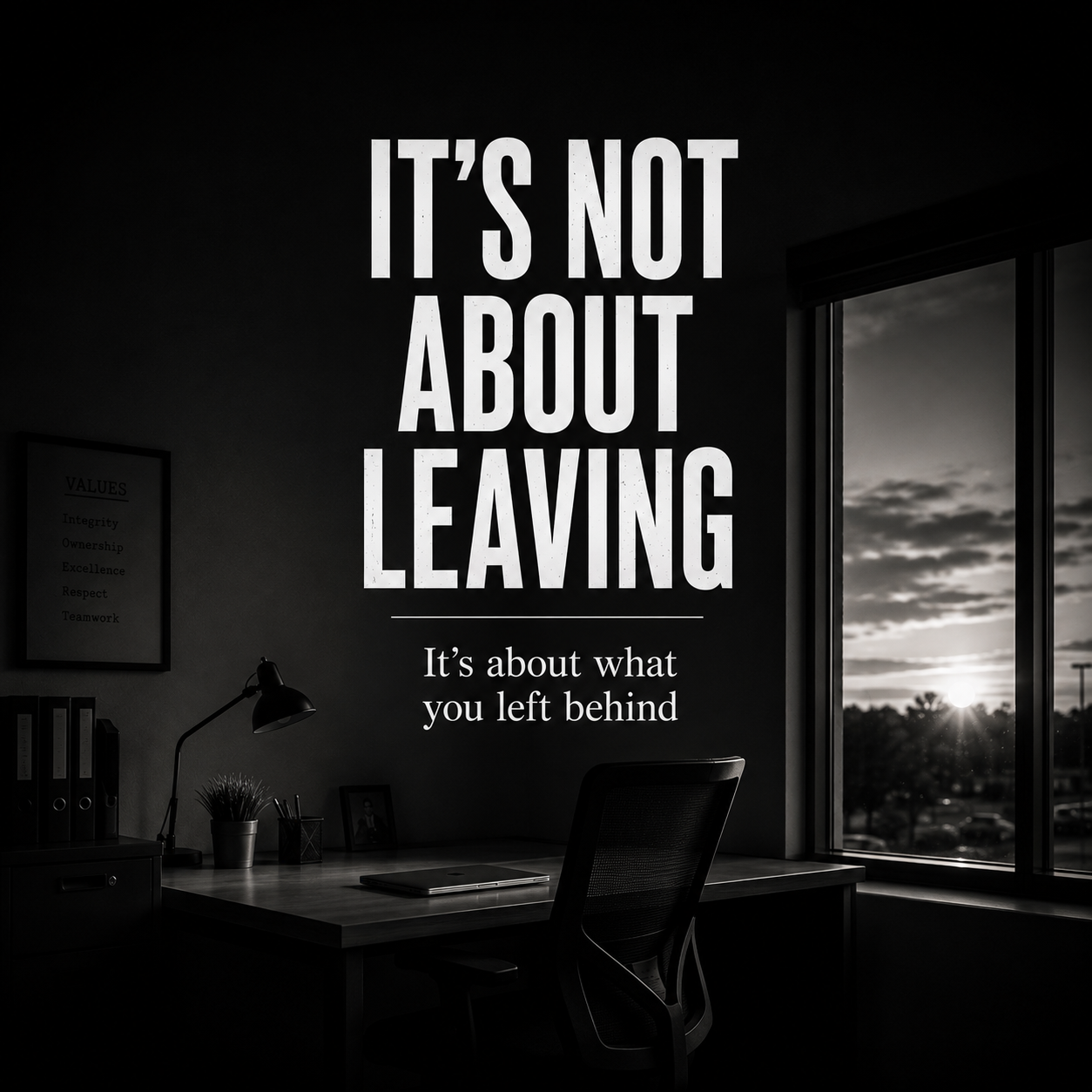
Everyone knows the feeling right before vacation.
It’s Friday morning. You get to work, unload your bag, open your computer, and stare at the login screen. You have eight hours until your vacation begins and more work than you can possibly accomplish in that amount of time.
Now, I think there are two kinds of people when it comes to preparing for vacation from work.
The first kind plans out the week ahead of time, schedules their tasks, and ties a nice little bow on everything before sending their out-of-office email at 5:00 and heading off for the week.
Then there’s me.
I get information overload. There’s so much to do that I don’t know where to start, so I do what I always do—I procrastinate.
Then Friday comes, and I have to squeeze it all into one day.
The miraculous part is that somehow all the work gets done.
So I never really learn the lesson.
I just end up with one really stressful day.
In reality, there’s a part of us that has been dumped on by a coworker before.
They leave for a week, and after you’ve already gone home for the day, an email arrives with a long list of tasks they could have handled before they left. Instead, they become your responsibility.
So you do them.
You don’t complain.
Nothing changes.
There’s a part of you that thinks, Why don’t I just do the same thing? Let tomorrow’s problems become tomorrow’s problems… after I’m already gone.
Maybe you can.
But I can’t.
That’s not how I was raised.
That’s because I’m not really preparing for vacation.
I’m preparing to leave.
And though it’s subtle, there’s a difference.
Vacation mode is carefree.
You roll with the punches.
You see where life takes you.
But to truly enjoy that kind of freedom, you have to leave in a way that doesn’t keep pulling your thoughts back to everything you wish you had done before you walked out the door.
I started thinking about it, and this really has very little to do with work.
When we leave my parents’ house after the kids have been playing, we pick up the toys because we don’t want to leave a mess for someone else to clean up.
When a game is over, coaches put away the equipment because the next team shouldn’t have to clean up after them.
When you go hiking, you pack out what you packed in because the wilderness isn’t your dumping ground—it’s home to countless plants and animals that deserve your respect.
The situations are different, but the principle is the same.
Leave things in good condition for the people who come after you.
Maybe that’s what we’re really responsible for.
Making our absence as easy as possible for the people we leave behind.
It’s more than respect.
It’s common decency.
And it isn’t just about vacations.
It’s about every departure.
When I leave a meeting, did I contribute in a positive way?
When I leave the house, did I leave it better than I found it?
When I leave a relationship, did I leave with honesty and respect so the other person isn’t left wondering what happened?
When I move from one season of life to another, can I honestly say I served the people around me well before I moved on?
Today at 5:00, I clocked out of work, and I won’t be back for a week.
I plan to relax.
To write.
To read.
To work out.
To spend time with my family making memories.
But I’m only able to enjoy those things because I know I did everything I reasonably could before I walked out the door.
Sometimes life isn’t just about where you’re going next.
Sometimes it’s about how you leave the things—and the people—you leave behind.
Continue the Journey
If this article resonated with you, here are a few more reflections that continue the conversation:
- A Life, Not a Collection of Parts — The same character that shapes your family life should shape the way you work, serve, and leave every responsibility.
- Every Day Is Made of Small Rooms — Every room asks something of us, including how we leave it before stepping into the next one.
- The Decision Was Already Made — The choices that matter most are often made long before anyone else sees them.
- Hallways Aren’t Meant To Be Homes — Transitions are part of life, but how we move from one season to the next says as much about us as where we’re going.


