They Don’t Have To Understand

Today’s post is built around a quote that I recently came across:

“Protect your peace and your vision because not everyone will understand either.”

This one had me thinking because it resonated with where I am in this project.

Not because I’m receiving criticism or doubt for what I’m trying to accomplish…

But because I’m not hearing anything at all.

This may come as a surprise, but I can count the number of people I know personally who truly know about The Young Napoleon Project on one hand.

I’m intentionally quiet about what I’m doing here.

My wife, my parents, and a few select others know that I’m writing a book and that I have this blog. A few more know about the work I’m putting into getting healthier.

But that’s about it.

No one really knows what The Young Napoleon Project truly is because I’ve been hesitant to actually talk about it.

This project didn’t start last month.

As of writing this, I’m technically on Day (43), but I stopped counting the number of times I’ve launched this project and never made it to Day (43).

I first had the idea for this project well over a decade ago—before I got married, before I bought a house, before I had kids.

People who see this project today are seeing the latest, and hopefully greatest, iteration of it.

What they don’t see are the countless restarts along the way.

The abandoned notebooks.

The unfinished brainstorming sessions.

The ideas that never made it past the first page.

The quiet hope that every restart would finally become the one that lasted.

They see pieces of my story, but I’ve lived the entire tale.

Maybe that’s why this project means so much to me and looks so ordinary to everyone else.

And yet, despite rarely sharing my “why,” I still catch myself expecting people to understand it.

But how could they?

They haven’t been inside my head to experience the defeats and frustrations.

They haven’t felt the anxiety that comes with starting over or the joy that comes with believing this time might be different.

They haven’t carried this dream with them for over a decade while wondering if it would ever become reality.

They haven’t fought the emotional battles I’ve fought over my own shortcomings or experienced the mental fatigue that repeated failure can bring.

It’s unreasonable to expect someone to understand where I’m coming from when I’ve never really shown them where that is.

And that’s not just true for me.

We all carry dreams.

Maybe yours is to lose weight.

Start a business.

Go back to school.

Change careers.

Run a marathon.

Build a family.

When people look at you, they see what you’re doing today.

They don’t see everything that led up to this moment.

They don’t see the struggle.

They haven’t watched you fight.

They only see one chapter of a story you’ve been living for years.

Here’s the thing:

People don’t need to understand your dream or your vision for it to be worth pursuing.

You don’t need their approval.

You don’t need their recognition.

Because your dream is incredibly personal to you.

It doesn’t have to be a secret.

You can tell everyone about it if you want.

But you can’t expect them to spend every day in the trenches of a battle they’re not fighting.

People can support you.

They can encourage you.

They can cheer you on.

And they can do all of that without fully understanding your why.

While thinking about this, I found myself coming back to Simon Sinek’s TED Talk, Start With Why. He argues that our “why” is what gives our actions meaning. We often think our “why” exists so we can explain ourselves to other people, but maybe its more important purpose is reminding us why we started when no one else fully understands what we’re building.

I also came across this essay from A Life of Lovely about why we don’t always need to explain ourselves to everyone else. It made a point that resonated with me: not every dream needs to be defended or fully understood by other people to be worth pursuing. Sometimes the people who matter most can support us without fully understanding what we’re carrying.

You are the only one who has to know your why.

You are the only one who can’t give up on yourself.

For me, this project isn’t just a blog.

It isn’t just a book I’m writing.

It isn’t just losing weight.

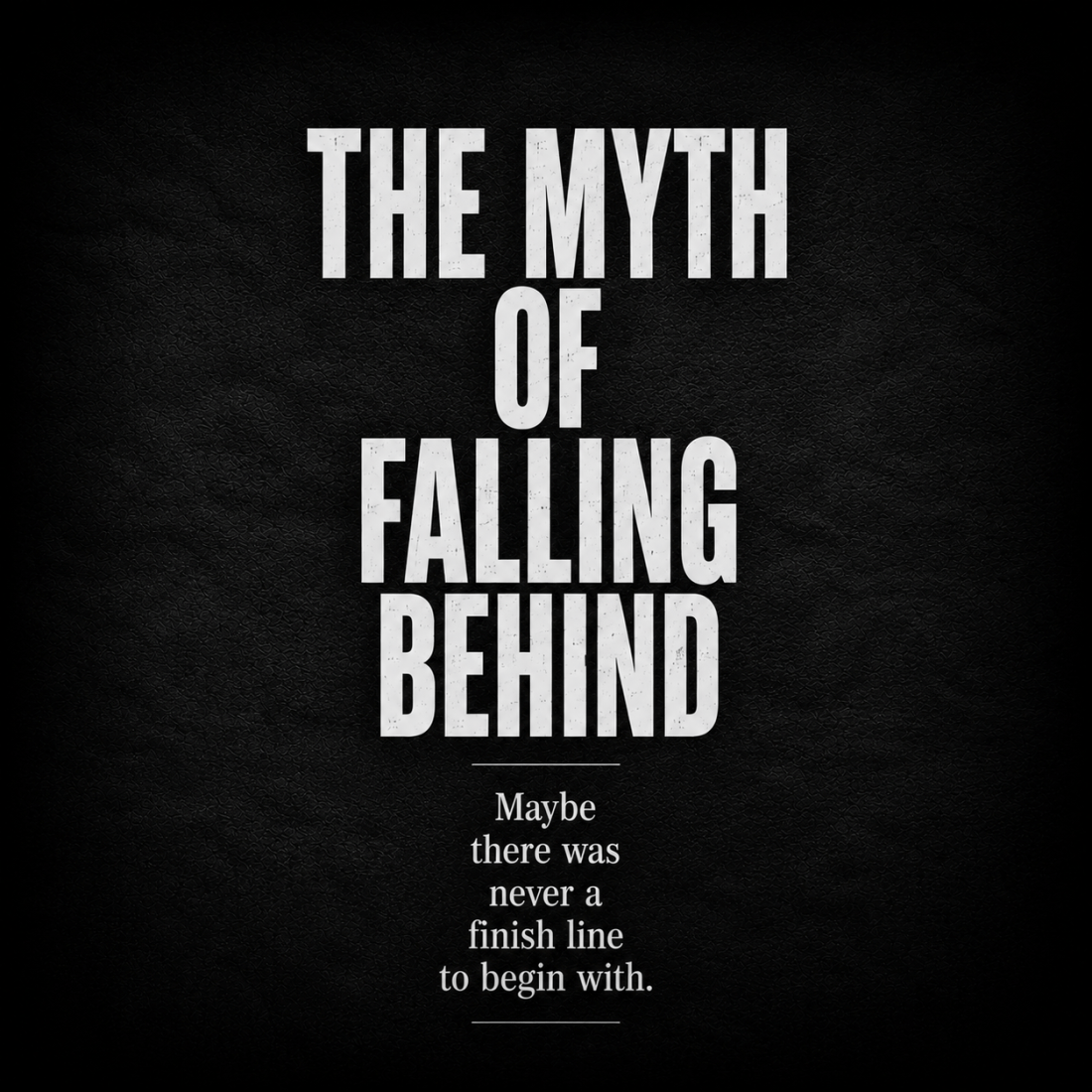
It’s my attempt to build my life intentionally. Part of that has meant accepting that I’ll probably never finish this project, something I explored in The Myth Of Falling Behind

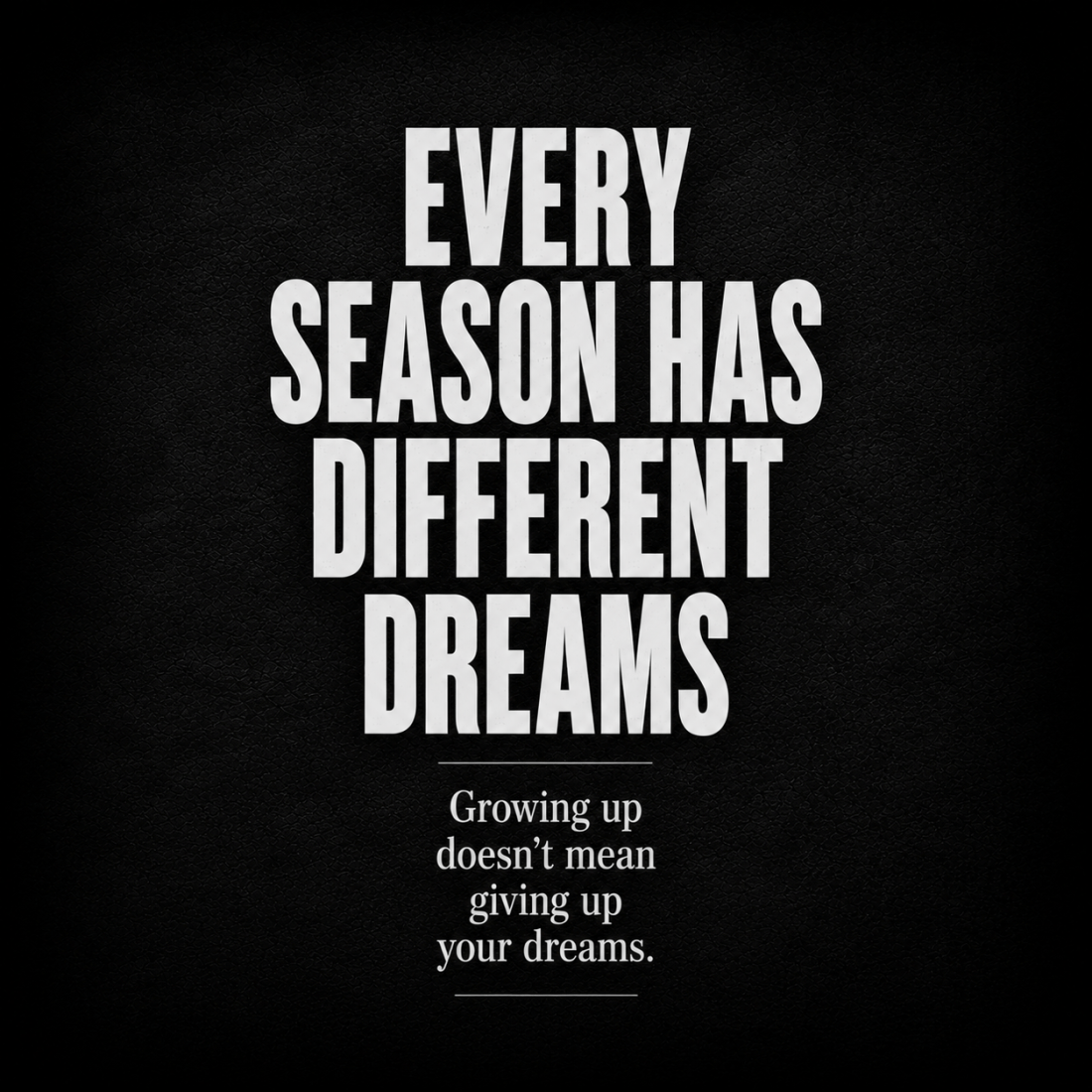
It’s also my attempt to accomplish something I first set out to do over a decade ago and am still fighting to achieve today. Ironically, the dream itself has changed over those ten years, something I wrote about in Every Season Has Different Dreams. The destination evolved, but the desire to build a meaningful life never did.

No one will ever understand why it matters to me as deeply as I do.

And that’s okay.

Maybe someday people will understand why this mattered so much to me.

Maybe they won’t.

The same goes for your dream.

Either way, we both have to keep going.

We have to wake up tomorrow and take the next step toward our dreams and our vision.

Because that’s what matters to us.

And no one else has to understand that.

Continue the Journey:

Further Reading:

Simon Sinek — Start With Why (TED Talk)

https://youtu.be/u4ZoJKF_VuA?is=O32TQ6Jl0PQmJfpl

A Life of Lovely — Why You Don’t Need to Explain Yourself to Anyone

https://alifeoflovely.com/why-you-dont-need-to-explain-yourself-to-anyone/#google_vignette
Overthink The Good Stuff

Guess what?

I overthink things.

I know… you’re shocked.

If you read my post about Why The Young Napoleon Project then you know I share a trait with General George B. McClellan: we were both overthinkers and overplanners.

My anxiety?

Well… that doesn’t exactly help either.

I can get lost overthinking the smallest things.

Did I say the wrong thing?

Should I have sent that text?

Did I make the right decision?

Then I can spend hours thinking about everything that might be waiting for me tomorrow.

I imagine I’m not alone.

Like so many people, I tend to obsess over tiny moments that probably don’t mean nearly as much as I convince myself they do.

You know what’s sad, though?

We rarely overthink the good stuff.

I don’t have Brooks’ and Joseph’s laughter replaying on a loop in my head.

I don’t constantly revisit the quiet moments Jillian and I share together.

I don’t spend hours remembering the funny things Joseph says or the way he says them.

Those moments come into my life…

And then they’re gone.

Meanwhile, anxiety, fear, and worry seem to live in my head rent-free.

Some of that is chemistry.

Some of it is simply the way our brains are wired.

While researching this, I came across an article in Psychology Today explaining why our brains naturally gravitate toward negative thinking. It pointed out that our minds are wired to pay more attention to potential threats than positive experiences—a survival instinct that made a lot of sense thousands of years ago, but one that can easily leave us replaying our worst moments while overlooking our best ones.

Our minds are trying to protect us.

They’re scanning for danger.

Preparing us for tomorrow’s meeting.

The unexpected bill.

The difficult conversation.

Sometimes they’re trying to teach us something.

“Remember that mistake you made yesterday? Think about it for the next three hours so you never make it again.”

And honestly…

There’s some value in that.

We should learn from our mistakes.

We should approach unfamiliar situations with healthy caution.

Sometimes there really is a good reason to worry about something on tomorrow’s calendar.

But left unchecked, our minds can convince us that our worst moments deserve the most attention.

What if we trained our minds a little differently?

What if we intentionally spent time replaying the good moments instead?

Not to ignore our problems.

Not to pretend life is perfect.

But because those moments deserve our attention too.

In my reading, I came across another article from Verywell Mind about learning to savor positive moments. One of the things that stood out to me was the reminder that joy often doesn’t require bigger experiences—it requires paying closer attention to the ones we’re already having. The more intentional we are about noticing and lingering in those moments, the more likely we are to remember them later.

They deserve to be appreciated.

They deserve to be remembered.

What if you spent just five minutes every day thinking about your kids laughing?

The love you share with your spouse.

Good news you recently received.

The ordinary moments when, for just a little while, nothing was wrong.

What would happen?

Would your outlook change?

Would you feel a little lighter?

Would your day be just a little better?

I think it might.

The moments we replay become the stories we tell ourselves about our lives.

If we come home from work and only replay everything that frustrated us, how can we expect the rest of our evening not to be colored by that frustration? It’s also why I wrote Don’t Let Your Storm Get Your Kids Wet. The stories we replay don’t always stay inside our own heads—they often shape how we show up for the people we love.

If we replay only our failures, eventually we’ll begin believing we’re failures.

If we spend all night overthinking tomorrow’s problems, we’ll wake up already convinced it’s going to be a bad day.

And in doing so, we’ll miss the moments that could have made it a good one.

But what if we intentionally replayed moments of joy instead?

What if we celebrated the small wins?

What if we got excited about what still lies ahead?

What if we filled our minds with the memories that remind us life is good, even when it isn’t perfect?

When I look back on this project, I realize I’ve spent a lot of time writing about ordinary moments instead of extraordinary ones. It’s something I’ve explored before in Why Ordinary Days Matter More Than Big Moments. The memories that shape our lives usually aren’t the spectacular ones—they’re the ordinary moments we almost overlook.

Walks around the neighborhood.

Playing catch.

Reading bedtime stories.

Quiet evenings with Jillian.

Those moments are my life.

Some days are harder than others.

Some stories are painful.

But if I only focused on those moments, I’d completely miss the ones that make this life so beautiful.

So yes…

Tomorrow I’ll probably wake up and still be an overthinker.

That isn’t changing overnight.

I’m forty-one years old.

If it were that easy, it probably would have happened by now.

I’ll probably replay some small mistake I made today.

I’ll probably worry about something waiting for me tomorrow.

But I’m also going to try to be more intentional about replaying the good stuff.

The laughter.

The walks with my boys.

The quiet moments with Jillian.

The conversations I’ll someday wish I could have one more time.

Because those moments are the best part of my life.

And if I’m going to overthink anything…

I’d rather it be the good stuff.

Continue the Journey:

Further Reading:

Psychology Today — “3 Reasons Why Your Brain Loves Negative Thinking”

https://www.psychologytoday.com/us/blog/social-instincts/202512/3-reasons-why-your-brain-loves-negative-thinking/amp

Verywell Mind — “How to Savor the Moment”

https://www.verywellmind.com/how-to-savor-the-moment-3144633

Every Season Has Different Dreams

When we were kids, we all had dreams about what we wanted to be when we grew up.

For a while I wanted to be a cowboy. Not the Dallas Cowboys kind—a real cowboy.

Then I wanted to be a lawyer.

A stockbroker.

Eventually I went to school for animation.

Turns out…

I’m none of those things.

Today my dreams look very different.

Now I dream about providing for my family.

Being a good husband.

Being a good father.

Writing books.

Building this project.

Creating a life I’m proud to wake up to every morning.

If you could take a snapshot of my life today and show it to my younger self, I think he’d be excited about a lot of it.

He’d see that we became a husband.

A father.

A homeowner.

That we live in the same neighborhood where we grew up.

That we coach our son’s baseball team.

I think he’d smile.

But I also think he’d have questions.

He’d probably ask,

“What happened to all those other dreams?”

The honest answer is…

Life happened.

Some decisions I made in my late teens and early twenties changed the direction of my life.

Some opportunities came and went.

Some dreams quietly faded.

At one time, I looked at that as failure. After reflecting on it, I realized it wasn’t that I had fallen behind—it was that my dreams had changed. That’s an idea I explored further in The Myth of Falling Behind.

Because while some dreams disappeared…

Others arrived that I never could have imagined.

The younger version of me dreamed about being a husband and father.

But he couldn’t possibly have imagined what it would actually feel like to fall in love.

Or to hold his newborn son for the first time.

Or to hear little feet running through the house on a Saturday morning.

Those weren’t dreams.

Those were experiences waiting for me on the other side of life.

Today Brooks wants to be a baseball player.

A police officer.

Most recently…

A drag racer.

He’s six.

I’m sure next year he’ll have another dream.

And another after that.

I hope he does.

Because I don’t want him to stop dreaming.

Dreams aren’t promises.

They’re possibilities.

They help us imagine a future that’s bigger than today.

As we grow older, though, our dreams begin to change.

While thinking about this, I came across an article in Psychology Today exploring how our lives often gain meaning as we age. One idea that resonated with me was that as we accumulate experiences, relationships, and responsibilities, our sense of purpose naturally evolves. Reading that made me realize my dreams didn’t disappear—they simply matured alongside the life I’ve been fortunate enough to build.

Not because we’ve become less ambitious.

Because we’ve become more experienced.

We’ve loved.

We’ve failed.

We’ve succeeded.

We’ve discovered what actually matters to us.

When I was younger, success looked like becoming someone impressive.

Today, success looks like coaching Brooks’ baseball team.

Writing another blog post.

Finishing my novel.

Reaching my goal weight.

Building a strong marriage.

Being present for my boys.

Those dreams don’t compete with one another anymore. Like I wrote in A Life, Not a Collection of Parts, they’re all pieces of the same life I’m trying to build.

Those dreams aren’t smaller than the ones I had when I was twenty.

They’re deeper.

They’re shaped by the life I’ve lived and the people I’ve loved.

It’s a realization that echoes something I wrote in A Masterpiece and a Work in Progress. Growth doesn’t erase our worth—it simply adds depth to who we’re becoming.

I think that’s true for all of us.

I also came across an article from Tiny Buddha about letting go of expectations that no longer serve us. It made me think about how easy it is to judge ourselves by the dreams we had years ago instead of asking whether those dreams still reflect the people we’ve become. Sometimes growth isn’t about holding on tighter—it’s about giving ourselves permission to dream differently.

We shouldn’t expect to want the same things at forty that we wanted at fifteen.

The world changes.

We change.

Our dreams should change too.

Some dreams should still be wildly ambitious.

The kind that stretch us and pull us forward.

Others should be grounded enough that we can celebrate them as we achieve them.

Maybe that’s what growing up really is.

Not giving up on the dreams we had as children…

But allowing them to grow up with us.

Because every season of life asks something different from us.

Every season gives us something new to hope for.

I’m still chasing my dreams.

They just don’t look the way they used to.

And I think that’s exactly the way it’s supposed to be.

Continue the Journey:

Further Reading:

Psychology Today — “Do Our Lives Gain Meaning as We Age?”

https://www.psychologytoday.com/us/blog/supersurvivors/202103/do-our-lives-gain-meaning-as-we-age

Tiny Buddha — “Letting Go of Expectations and Pursuing What You Really Want”

https://tinybuddha.com/blog/letting-go-of-expectations-and-pursuing-what-you-really-want/

The Myth Of Falling Behind

Lately I’ve been feeling like I’m falling behind.

It’s that voice in the back of my head that whispers I’m not doing enough. The one that tells me if I just hit that all-too-comfortable reset button, I’d somehow find a way to do more.

The thing is…

I’m doing more now than I ever have before.

I’ve published a blog post for thirty-nine consecutive days, taken nearly half a million steps, been reading consistently, and spent meaningful time with my family, all while building this project in a way I’ve never been able to sustain before.

So what exactly am I behind on?

Well, I could make a list pretty easily.

I’m not working out as much as I hoped I would.

While the blog is thriving, the structure behind The Young Napoleon Project still feels unfinished.

I’m not spending as much time writing my book as I imagined.

There are always projects around the house waiting for attention.

And the list keeps growing.

Most nights I feel like I’m scrambling just to catch up before it’s time to go to bed.

So why do I feel so behind?

While researching the idea of falling behind, I came across an article from Verywell Mind about the psychology of feeling behind in life. One idea that resonated with me was that we often compare our present reality to an imagined timeline of where we think we “should” be. That struck me because I realized I wasn’t measuring my progress against where I started—I was measuring it against an ever-expanding vision of where I wanted to go.

Because the further I get into this project…

The bigger the project becomes.

At first, the goals were simple.

Get healthier.

Become more organized.

Be a better husband.

Be a better father.

Launch the blog.

But then the vision expanded.

Now I’m trying to write a novel.

Figure out how to grow the blog.

Build a social media presence.

Coach Little League again.

Volunteer at church.

Follow another San Diego State basketball season.

Every time I accomplish something, I discover something else worth pursuing.

Then I realized…

That’s not a project problem.

That’s a life problem.

There’s always another bill to pay.

Another room to organize.

Another home project.

Another responsibility at work.

Another dream waiting just beyond the one you finally achieved.

It’s something I explored in There Is Always One More Thing. The responsibilities never really disappear—they simply change shape as life moves forward.

The finish line doesn’t get closer.

It keeps moving.

Or maybe…

There was never a finish line at all.

Every night I go to bed carrying two thoughts that seem to contradict each other.

One says:

“I’m proud of what I accomplished today.”

The other whispers:

“You’re falling further behind.”

Maybe the lesson is that both feelings can exist at the same time.

I can be proud of the progress I’ve made while recognizing there is still more I want to do. It’s a realization that builds on A Masterpiece and a Work in Progress. We don’t have to choose between celebrating who we are today and continuing to grow into who we’re becoming.

I can celebrate today’s victories without pretending tomorrow won’t bring new responsibilities.

I’ll never finish everything.

I’ll probably never have an empty to-do list.

But that doesn’t mean I’m behind.

It simply means I’m living a life that’s still growing.

And maybe that’s exactly what The Young Napoleon Project was always supposed to be.

It was never meant to end.

It was never meant to become a completed checklist.

Like I wrote in A Life, Not a Collection of Parts, the project isn’t meant to consume my life. It’s meant to grow alongside it.

It was meant to be a lifelong pursuit of becoming healthier, wiser, more disciplined, more present, and more intentional.

I also came across an article from Big Think discussing the Japanese philosophy of Kaizen, or continuous improvement. One idea that resonated with me was that meaningful growth isn’t about reaching a final destination—it’s about committing to getting a little better over time. That feels much closer to what I want The Young Napoleon Project to become than a checklist I someday get to cross off.

Because if one day I truly became “caught up”…

There would be nothing left to dream about.

Nothing left to learn.

Nothing left to become.

When I really think about it, I still have weight to lose.

Books to write.

Projects to finish.

Habits to build.

Places to explore.

Memories to make with my family.

And I hope that list never disappears.

Because maybe I’m not falling behind at all.

Maybe I’m simply living in the messy middle.

And maybe that’s where all meaningful lives are lived.

Continue the Journey

Further Reading:

Verywell Mind — “How Do I Stop Feeling Like I’m Behind in Life?”

https://www.verywellmind.com/how-do-i-stop-feeling-like-im-behind-in-life-11729611

Big Think — “Kaizen: The Japanese Philosophy of Enduring Growth”

https://bigthink.com/smart-skills/kaizen-enduring-growth/

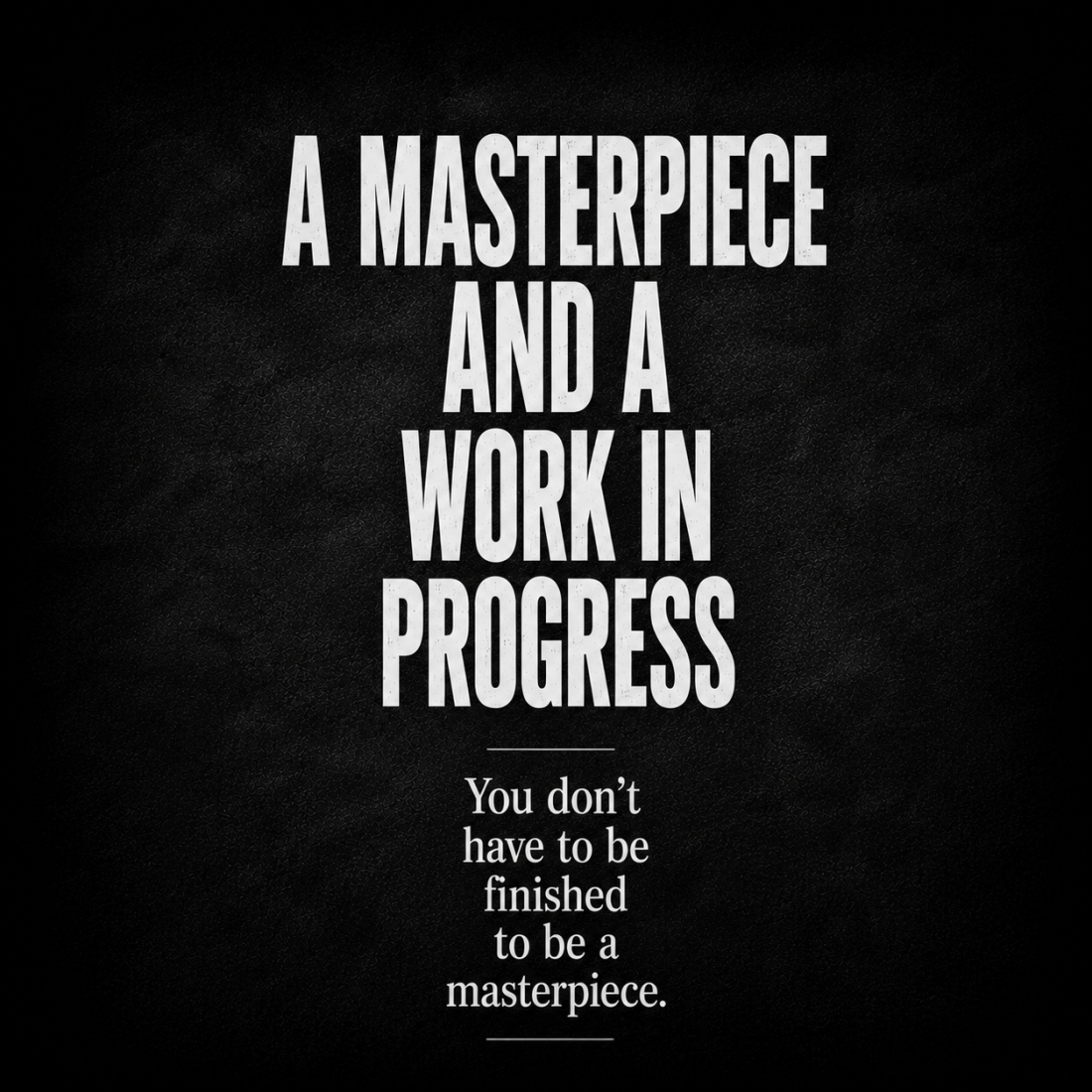
A Masterpiece And A Work In Progress

It feels like just yesterday that we brought Brooks home from the hospital. It was the beginning of the pandemic, and for weeks it was just Jillian, me, and this tiny little boy sitting in our living room trying to figure out how to be parents. We had no idea what we were doing.

That was more than six years ago.

Today I took Brooks up to the fields for hitting practice as he prepares for his first season of Rookies in Little League. At the same time, Joseph took his first swimming lesson in the next level class. Somewhere along the way, those tiny babies became little boys.

It’s amazing how quickly children change.

One day you’re celebrating their first steps.

Before long they’re running laps around the house.

One day you’re reading bedtime stories.

Before long they’re reading them back to you.

Somehow, the things that once felt impossible quietly become ordinary.

And now, when I look at my boys, I don’t just see who they once were or who they are today. I also see who they are becoming.

I picture Brooks growing up on the baseball field, becoming more confident, making lifelong friends, and discovering the man he’ll one day become.

I picture Joseph graduating from preschool, walking into elementary school, trying new sports, and slowly finding his own interests and personality.

But we’re not there yet.

Right now, I’m trying to enjoy the season we’re in and let the future wait until we get there.

The other day I came across a quote that hasn’t left my mind:

“You can be a masterpiece and a work in progress simultaneously.”

If I had to guess, I’d say that most people read that quote and immediately think about themselves. They think about who they are today while striving to become someone even better.

That isn’t where my mind went.

I immediately thought about Brooks and Joseph.

They make mistakes.

They get frustrated.

They fall down.

They learn.

They grow.

They test boundaries.

They surprise me.

They’re works in progress.

But when I look at them, I don’t see unfinished people.

I see masterpieces.

There are hard days and wonderful days. There are moments that require correction and moments that deserve celebration. There are times when they test every ounce of my patience and other times when they remind me exactly what matters most.

None of those moments change how I see them.

They are, and always will be, my masterpieces.

But if that’s true about my kids…

Why can’t it also be true about me?

Why am I so much harder on myself than I am on them?

Why do I extend grace so freely to my children but withhold it from myself?

Why can’t I believe that I can be both a masterpiece and a work in progress at the same time?

For me, that’s where The Young Napoleon Project comes in.

This project isn’t about fixing a broken life.

It’s about continuing to shape a life that’s already worth living.

It’s an opportunity to become healthier, pursue my writing, become a better husband, and become a better father—not because I’m incomplete without those things, but because growth is part of living.

I’m still becoming.

That doesn’t mean I’m broken.

It simply means the painting isn’t finished yet.

Brooks and Joseph are growing up right before my eyes.

Before I know it, they’ll be teenagers.

Then adults.

They’ll continue changing long after they’ve left home.

But I have a feeling that whenever I look at them, I’ll see every version of them all at once.

The baby we brought home from the hospital.

The little boys running through the living room.

The young men they’ll someday become.

They’ll always be works in progress.

And they’ll always be masterpieces.

Maybe that’s what love really is.

Looking at someone who still has so much growing left to do…

…and seeing the masterpiece anyway.

And maybe we’ve been masterpieces all along too.

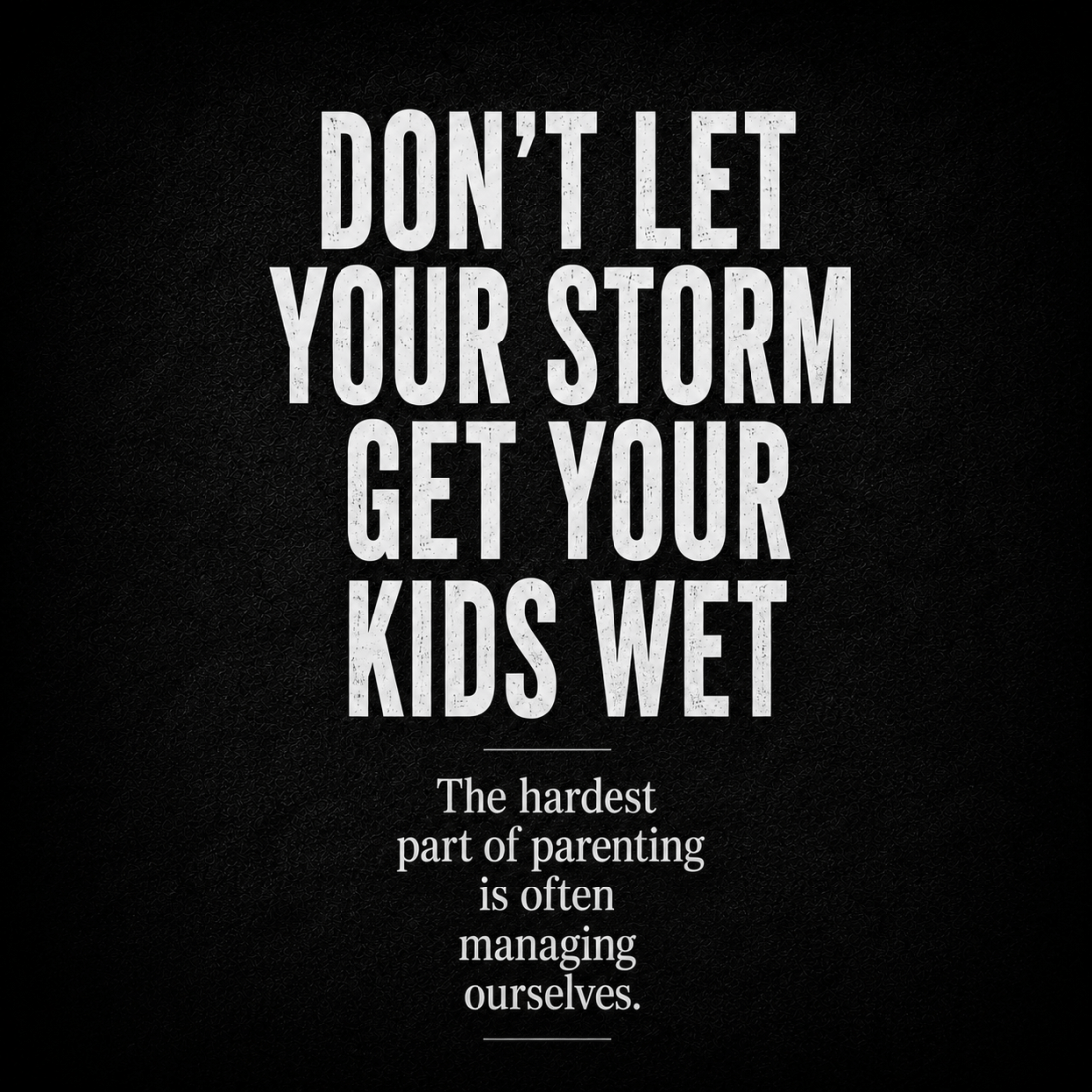
Don’t Let Your Storm Get Your Kids Wet

I was scrolling through social media the other night when I came across a quote that stopped me in my tracks:

“Don’t let your storm get your kids wet.”

I found that to be profound because it’s something I struggle with more often than I’d like to admit. After reading it, I sat with it for a while and decided that I needed to be more intentional about who I was showing up as in front of my boys.

Yesterday put that to the test.

I don’t talk about work much here because it’s not really relevant to what I’m trying to build, but yesterday was a frustrating day. Without going into detail, I just felt like I was destined for something more, and that feeling weighed on me heavily as the day went on. I ended up leaving work late and getting to Brooks’s karate class just in time.

He did great.

He has been practicing all week, and it showed. He was more confident, more focused, and had clearly improved.

But with where I was mentally, I found myself focusing on the things he could still be doing better instead of celebrating how far he’d already come.

On the drive home, I started talking about those things before I caught myself.

I was letting my storm get him wet.

I made the conscious decision to stop and instead praise the improvement, because that’s what he needed to hear.

When doing research for this post, I came across an article from Lead You First about praising effort instead of innate ability. It argued that recognizing persistence, improvement, and hard work encourages people to keep growing rather than fearing mistakes. That is what Brooks needed from me in that moment. He didn’t need another list of things to do better just because that what I had chosen to focus on. He needed to know that the work he’d already put in mattered. It reminded me of something I wrote in The Belt Isn’t Earned on Test Day. Progress isn’t measured by perfection—it’s measured by growth.

After dinner, my mind immediately shifted back to everything that still needed to be done. I was behind on my work for this project. I had skipped my daily reading during my breaks because of how frustrated I’d been at work. I hadn’t taken enough steps. The dishes still needed to be done. The trash cans needed to go out. I still had to get ready for tomorrow.

I could feel the storm clouds gathering.

The boys were in the living room, so I walked out and sat on the couch. Brooks climbed up beside me. I could tell he wasn’t there to cuddle.

He was there to create chaos.

And in that moment I had a decision to make.

Do I brush him off and leave him standing out in the rain, letting him get soaked too?

Or do I open an umbrella and keep us both dry for a little while?

For the next thirty minutes we wrestled across the couch as he tried to escape through fits of breathless laughter. Joseph eventually joined the fray until Jillian whisked him away for his bath.

The work was still waiting for me.

But so were my boys.

That moment reminded me of A Life, Not a Collection of Parts. Spending time with my boys wasn’t taking me away from the project—it was part of the life this project is supposed to help me build.

Later that evening, after the kids were in bed and the chores around the house were finished, I sat down to work on things here and came back to that quote.

“Don’t let your storm get your kids wet.”

My kids shouldn’t become collateral damage because I had a rough day.

That’s not fair to them.

I’m not saying that as dads—or moms—we should bottle up our emotions, because that isn’t healthy either. Our children should know that adults have hard days. They should see that it’s okay to be honest about how we’re feeling.

In doing some further reading I found an article from ReachLink about what it calls “dad rage.” One point that stood out to me was that anger is often a secondary emotion, masking things like stress, exhaustion, disappointment, or feeling overwhelmed. That resonated with me because, if I’m honest, the frustration I carry home usually isn’t about my kids at all. It’s about everything that happened before I walked through the front door. Recognizing that doesn’t excuse my reactions, but it does help me understand them—and gives me the opportunity to respond differently.

Our emotional responses to things outside our homes aren’t burdens our children should have to carry.

If I’m being honest, this isn’t something I’m naturally good at.

I wear frustration on my face.

When I’ve had a bad day, people can usually tell.

Whether it’s stress from work, my back hurting, frustration while coaching, or simply running out of patience as a dad, my storms have a way of becoming everyone else’s weather.

And that’s something I want to change.

We all have storms in our lives.

The question is…

Who are we allowing to get soaked by them?

It also made me think back to There Is Always One More Thing. The work is always waiting. The responsibilities never disappear. But that’s exactly why we have to be intentional about the people standing in front of us instead of carrying the weight of everything still left to do.

My boys are going to grow up, and one day they’ll understand just how difficult life can be. They’ll experience disappointment, stress, heartbreak, and frustration for themselves.

I want them to know it’s okay to be emotional.

I want them to know it’s okay to be honest.

I want them to know it’s okay to cry, to struggle, and to have hard days.

But I also want them to know that we can choose how much of those storms we allow to fall on the people we love.

I know I’ll get frustrated again.

I know there will be more difficult days.

That’s life.

But I hope I become better at recognizing the storm clouds over my own head and opening the umbrella before the rain reaches my boys.

Because my bad day doesn’t have to become theirs.

And maybe one day, when they’re fathers themselves, they’ll remember not that I never had difficult days, but that I tried my best not to let those days define our time together. In many ways, that’s the same lesson I hoped to pass along in Little Eyes Are Always Watching—our children are learning from far more than the words we say.

Continue the Journey:

Further Reading:

Lead You First — “How to Praise Your Kids and Team to Increase Effort, Persistence and Motivation”

https://leadyoufirst.com/how-to-praise-your-kids-and-team-to-increase-effort-persistence-and-motivation/

ReachLink — “Dad Rage: Understanding and Managing Anger as a Father”

https://www.reachlink.com/advice/anger/dad-rage/

A Life, Not A Collection Of Parts

Yesterday I got home from work and it was obvious that Brooks was tired. He had spent the day swimming with his cousins and didn’t have much left in the tank. I got changed, we sat down to dinner, and afterward, instead of diving into my usual evening routine, we decided to have a family movie night.

The work was still there.

The dishes.

The writing.

The project.

The chores.

They could all wait for two hours.

Instead, it was Trolls 3 and taking turns with kids in my lap as we watched, danced, and sang along with the movie.

To say that I wasn’t thinking about this project during the movie would be a lie. I’m always thinking about what I could be doing next. But for the first time in a long time, I didn’t feel like I should have been doing something else. I didn’t feel guilty for sitting there. I didn’t feel like I was falling behind.

That’s different than it has been in the past.

During previous attempts to launch this project, every minute I wasn’t moving it forward felt like a minute I had wasted. The project slowly began to consume my life.

This time, I’ve realized something different.

The project needs to be integrated into my life, not consume my life.

In researching the idea of integration, I came across a Forbes article about how work-life integration being different than work-life balance. Rather than trying to divide life into perfectly equal compartments, the article argued for building a life where the different parts support one another. That stuck with me because I am not trying to choose between this project and my family—I am learning that the goal of this project is to make me better for my family. 

A few days ago I wrote There Is Always One More Thing, where I realized that the work is never really finished. Looking back, I think this is the next step in that lesson. If the work is never going to end, then I have to learn how to live while it’s still unfinished.

Because the purpose of this project was never to become someone who only works on the project.

The purpose is to become a healthier, happier, and more present husband, father, writer, and man.

Sometimes that means sitting on the couch with my boys, laughing through Trolls 3.

I’ve always tried to separate my life into categories: Family. Health. Marriage. Career. Writing. And I still think there’s value in that. Work should stay at work. Family time should be protected. You and your spouse need time together. It’s even how I built The Young Napoleon Project, dividing it into different departments that reflect the major areas of my life.

But that doesn’t mean those parts exist in isolation.

They overlap.

They influence one another.

Becoming healthier gives me more energy to be present with my family. Writing helps me think more clearly. A strong marriage makes me a better father. Spending time with my boys reminds me why I’m working so hard in the first place.

They’re not competing priorities.

They’re different pieces of the same life I’m trying to build.

That realization also reminded me of Adventure Is Closer Than You Think. The goal of that day wasn’t simply to visit Cabrillo National Monument. It was to spend meaningful time together as a family. The adventure wasn’t separate from the project—it was part of it all along.

My writing matters.

My health matters.

My marriage matters.

My boys matter.

None of those priorities are competing for my attention.

They’re all reasons I started this project in the first place.

While thinking about that, I also read an article from Becoming Minimalist about living intentionally. One of the ideas that stood out to me was that intentional living isn’t about doing more—it’s about making sure the things that matter most actually receive our attention. That felt like a good reminder that building a better life isn’t about perfectly balancing every responsibility each day. It’s about choosing to invest your time in the people and pursuits that align with the life you’re trying to create.

We only get twenty-four hours in a day, so naturally some days will lean more heavily toward work. Other days might be focused on family, health, or writing. The goal isn’t to give every part of your life equal time every single day. The goal is to make sure none of the parts that matter most are neglected for too long.

That doesn’t mean every day will feel perfectly balanced. As I wrote in I Finally Stopped Waiting to Feel Motivated, some days require discipline simply to keep moving forward. Other days require the discipline to recognize that your family deserves your full attention. Both are important.

Life isn’t lived in perfectly balanced twenty-four-hour blocks.

It’s lived in seasons.

Sometimes those seasons last a day.

Sometimes they last much longer.

When the movie ended, I still got my work done around the house. I put Brooks to bed. While Jillian went for a walk, I got ready for today. Then I sat down and worked on Beneath The Silt before finishing the night watching a show with Jillian.

Everything that mattered got some of my time.

Not equally.

But intentionally.

And that’s enough.

Because sometimes the most important work isn’t sitting at your desk.

Sometimes it’s sitting on the couch with your kids, laughing at Trolls 3 for the twelfth time.

That’s something I hope Brooks and Joseph remember long after they forget which movie we watched, just like I wrote in Why Ordinary Days Matter More Than Big Moments. The ordinary evenings are often the ones that quietly become the memories that last.

The Young Napoleon Project isn’t about building a better project.

It’s about building a better life.

Continue the Journey:

Further Reading:

Forbes — “Work-Life Integration Could Soon Replace Work-Life Balance”


https://www.forbes.com/sites/forbesbooksauthors/2023/11/27/worklife-integration-could-soon-replace-worklife-balance/

Becoming Minimalist — “Living Intentionally”

https://www.becomingminimalist.com/living-intentionally/

There Is Always One More Thing

Yesterday was a long day.

By the time five o’clock rolled around, I was tired, cranky, and ready to be home. On the way home I had to stop at the bank, then swing by my parents’ house because the tire pressure light had come on in the car and my dad has an air compressor.

By the time I finally walked through the front door, dinner was already on the table.

I didn’t get the chance to change clothes.

I didn’t get a chance to decompress.

I just walked straight from the car to the dinner table.

The kids weren’t doing anything out of the ordinary.

I was.

I was tired.

Sensitive to every noise.

Already frustrated before anything had actually gone wrong.

Before dinner I had promised the boys that we’d go for a walk around the neighborhood afterward, even though it was the last thing I wanted to do.

You could hear it in my voice as we walked out the door.

I didn’t want to go.

And before long…

Neither did the kids.

The walk was stressful. The boys weren’t listening. Joseph was all over the place, keeping me on edge every time we got close to the street. By the time we made it back home, I was completely drained.

Instead of doing what I needed to do, I collapsed into my chair until it was time to put Brooks to bed.

I managed a smile.

An “I love you.”

A hug.

A goodnight.

Then I walked back into the kitchen and remembered everything that was still waiting for me.

The dishes.

Taking out the trash.

Getting ready for tomorrow.

The evening chores.

Brooks woke up twice after I put him down, and by the time everything finally settled, it was after nine o’clock.

I collapsed back into my chair and mindlessly scrolled social media until it was time for bed.

It was, without question, my worst night since starting this project.

A few days ago I wrote Some Days Ask More of Us Than We Expected. At the time I was talking about panic attacks and life’s unexpected challenges. Looking back, I realize some days don’t overwhelm us because of one major event. Sometimes it’s simply the weight of one small responsibility after another until there’s nothing left in the tank.

Why is it that there is always one more thing to do when you don’t have the energy to do anything at all?

Another bill.

Another dish to wash. 

Another load of laundry.

Another chore.

Another conversation.

Another decision.

It never really ends.

When we’re kids, life feels simple.

There’s school.

Maybe homework.

A baseball practice.

A game.

Then tomorrow starts over.

As adults, we’re never really finished.

Because there isn’t a finish line.

We think…

If I could just get caught up…

If I could just finish everything…

Then I’d finally be able to rest.

But adulthood doesn’t work that way.

The list doesn’t end.

It simply continues to grow.

While reflecting on that idea, I came across an essay from The Growth Canvas titled “Why You Feel Like Your Work Is Never Done.” One of the things that resonated with me was the reminder that the feeling of being behind often has less to do with the amount of work in front of us than the expectations we place on ourselves. There will always be another task waiting. The challenge isn’t eliminating the list—it’s learning not to let the list define our stopping point.

That realization reminded me of something I wrote in I Finally Stopped Waiting to Feel Motivated. I spent years believing there would eventually be a perfect day to do all the work. But more often than not, the work simply asks us to show up with whatever energy we have left and that work is never going to be finished.

Success isn’t crossing ever to do item off the list.

Success is deciding what matters most today, doing that, and giving yourself permission to leave the rest for tomorrow.

As I continued thinking about this, I also read an article from LifeAt titled “Why Catching Up Keeps You Stuck (and What Actually Helps).” It challenged the idea that one day we’ll finally get caught up and everything will feel under control. Instead, it argues that constantly chasing “caught up” can keep us from being fully present in the life we’re already living. That idea felt especially relevant after yesterday because I realized I wasn’t looking for a free evening—I was waiting for a life that doesn’t really exist.

That doesn’t mean the unfinished work defines you any more than one bad day defines your progress. I came to that realization while writing Your Body of Work Is Bigger Than One Bad Day. The list may remain unfinished, but that doesn’t mean you’re failing. It simply means you’re living a full life.

Some things get finished today.

Some tomorrow.

Some next week.

And some…

Never.

Tomorrow there will still be dishes.

Bills.

Laundry.

Blog posts to write.

Kids to raise.

The list will still be there.

And we have to be okay with that. 

Because life isn’t what happens after the list is finished.

Life is what happens while we’re slowly working our way through it.

Maybe that’s why The Reset Never Came. Not because I finally reached the end of the list, but because I stopped believing there ever would be one. Instead of waiting for life to become manageable before living it, I’m learning to build a meaningful life right in the middle of the unfinished work.

Continue the Journey:

If today’s article resonated with you, you might also enjoy:

Further Reading:

The Growth Canvas — “Why You Feel Like Your Work Is Never Done”

https://thegrowthcanvas.substack.com/p/why-you-feel-like-your-work-is-never

LifeAt — “Why Catching Up Keeps You Stuck (and What Actually Helps)”

https://newsletter.lifeat.io/p/why-catching-up-keeps-you-stuck-and-what-actually-helps

Your Body Of Work Is Bigger Than One Bad Day

Yesterday I left work a little early, went home, changed clothes, and planted myself in front of the television to watch the United States take on Belgium in the World Cup.

People are always surprised to find out how much I love soccer. They know about my passion for baseball, but soccer usually catches them off guard. I didn’t really fall in love with the sport until my twenties. I played a little as a kid, but it never stuck. Years later I joined an indoor team with some friends, started following the U.S. Men’s National Team, traveled to matches around the country, and eventually became a season ticket holder for the San Diego Loyal.

Needless to say, I had been looking forward to this game for weeks.

Unfortunately, it unraveled almost as quickly as it began.

The United States fell behind early, briefly gave me hope when they equalized, and then watched that hope disappear almost immediately. Before I knew it, the final whistle had blown and the tournament was over.

As a fan, my mind immediately went where it always does.

What changes need to be made?

Will the coach stay?

Which players will still be around four years from now?

Who should have played differently?

It was disappointment.

It was frustration.

It was judgment.

When in reality…

It was one bad game.

While reflecting on that feeling, I came across an article in TIME titled “What to Say When Someone’s Team Loses, According to Sports Fans.” It reminded me that disappointment is part of caring. When we invest ourselves in something—a team, a goal, a project, or a dream—losses are going to hurt. The challenge isn’t avoiding that feeling. It’s refusing to let one disappointing result become the entire story.

A couple of hours later I found myself standing on a softball field with a group of friends I’ve been playing with for years.

We won 20–6.

I went 3-for-4 with an RBI.

It felt great.

But if I’m being honest…

It was just one good game.

Over the last decade we’ve probably played close to thirty different seasons together. We’ve had great teams, terrible teams, winning streaks, losing streaks, and only one championship.

Nobody on our team walked off the field last night believing we’d suddenly become champions because of one good game.

Sports understand something we often forget about life.

One game doesn’t define a season.

Championship teams lose games.

Hall of Fame baseball players fail seven out of every ten times they step into the batter’s box.

The greatest basketball players in history still miss thousands of shots.

One result is simply one result.

A few days ago I wrote The Scale Isn’t the Scoreboard, realizing that one number on a scale doesn’t define my progress. Yesterday reminded me that one result doesn’t define my journey either.

Somewhere along the way, though, we stop giving ourselves that same grace.

One bad weigh-in and we convince ourselves we’re failing.

One difficult day with our kids and we question whether we’re good parents.

One rough chapter and we wonder if we’re really writers.

One poor financial decision and we tell ourselves we’ll never get ahead.

One awkward conversation at work and suddenly we think our entire career is falling apart.

That’s the same lesson I learned in I Finally Stopped Waiting to Feel Motivated. Progress doesn’t come from never having bad days—it comes from refusing to let those bad days convince you to quit.

One mistake begins to outweigh years of faithful effort.

That’s not how we judge sports.

And it shouldn’t be how we judge ourselves.

A few weeks ago I promised myself that The Reset Never Came. Looking back, I realize that’s only possible when you stop letting one disappointing day erase everything you’ve already built.

A pristine professional career shouldn’t be defined by one mistake.

A great speech shouldn’t be remembered only for one misplaced word.

A loving marriage shouldn’t be measured by one difficult conversation.

A life spent intentionally shouldn’t be reduced to one disappointing day.

Our body of work matters more than our latest result.

As I reflected on that idea, I also read an article from The Let Go titled “Failure Won’t Define Us, How We Respond to It Will.” That message stayed with me because it shifts the focus away from the setback itself. Every season includes losses. Every meaningful goal includes mistakes. The defining moment isn’t the failure—it’s the decision to get back up and continue building your body of work.

That realization has changed the way I look at this project.

As I write this, I’ve published a blog post every day since launching The Young Napoleon Project.

If I failed to publish tomorrow, I’d probably feel like I’d failed.

But that wouldn’t be true.

It would simply mean I published thirty-four consecutive articles before missing one.

That’s still a body of work I can be proud of.

The same is true of my health.

One bad weigh-in doesn’t erase the walks I’ve taken.

One cheat meal doesn’t erase the healthier choices I’ve made.

One missed workout doesn’t erase the habits I’m building.

None of those moments define the season.

It’s no different than the lesson I learned in The Belt Isn’t Earned on Test Day. Success isn’t determined by one performance—it’s earned through the work you continue to put in long before anyone is keeping score.

Tomorrow the United States will begin preparing for the next World Cup.

Our softball team will eventually lose another game.

I’ll step on the scale again.

I’ll go to work.

I’ll write another article.

I’ll keep building this project.

Because one loss doesn’t erase everything that came before it.

One bad day doesn’t erase the person you’re becoming.

Your body of work is always bigger than one bad day.

The season isn’t over.

It’s just time to play the next game.

Continue the Journey:

If today’s article resonated with you, you might also enjoy:

Further Reading:

TIME – “What to Say When Someone’s Team Loses, According to Sports Fans”

https://time.com/article/2026/06/18/what-to-say-when-someones-team-loses-sports-fans/

The Let Go – “Failure Won’t Define Us, How We Respond to It Will”

https://www.theletgo.com/failure-wont-define-us-how-we-respond-to-it-will/

I Finally Stopped Waiting To Feel Motivated

If I’m being honest with you, I go to bed most nights feeling like I should give up.

That I haven’t done enough.

That things aren’t progressing as quickly as I dreamed they would.

That I could somehow be more perfect in my approach to this project.

By the time I close my eyes each night, the motivation that carried me through the morning has usually disappeared, and I’m left wondering what tomorrow will bring.

Yesterday was the perfect example.

I woke up and the scale had jumped five pounds overnight.

Brooks and I went to the baseball fields for a hitting session, but after staying up late to watch fireworks the night before, he just wasn’t in the mood.

While we were gone, Joseph somehow managed to lock himself and Jillian inside the playroom.

Instead of working on this project during the afternoon, I accidentally fell asleep in my chair and lost nearly two hours of the day.

By the time I finally sat down to write, it was already late in the evening and I found myself rushing just to accomplish the bare minimum.

By bedtime…

The motivation was gone.

I found myself wondering if I could really keep doing this tomorrow.

The problem is, I used to think motivation was supposed to last.

Whenever it disappeared, I assumed something was wrong.

I thought I had lost momentum.

I thought I had failed.

So I started over.

Again.

And again.

And again.

When I first started trying to lose weight years ago…

When I first dreamed about becoming an author…

When I first imagined building a better life…

I relied almost entirely on motivation.

I watched inspirational videos.

Read motivational quotes.

Waited for the perfect Monday.

The perfect month.

The perfect opportunity.

Eventually the excitement faded.

Life got busy.

I had a bad day.

And I convinced myself it was time to start over.

Looking back, I realize the problem was never my lack of motivation.

It was my belief that motivation was supposed to carry me forever.

Discipline doesn’t feel exciting.

It isn’t supposed to.

Discipline packs my breakfast and lunch the night before, even when I’d rather grab something from the cafeteria.

It gets me out walking during my breaks instead of sitting at my desk.

It opens a blank page after the boys have gone to bed.

It keeps me writing even when nobody is waiting for another blog post.

It doesn’t promise that I’ll enjoy every minute.

It simply reminds me to keep going.

While writing this article, I reread an essay by James Clear titled “Plan for Failure: Being Consistent Is Not the Same as Being Perfect.” One idea especially resonated with me: consistency isn’t about never having bad days—it’s about expecting them and continuing anyway. Looking back, I realize I spent years believing every imperfect day meant I needed to start over. This project has taught me the opposite. Progress isn’t built by perfection. It’s built by refusing to quit.

I also came across a thoughtful post from The Love Sophia Project about choosing consistency over motivation. One idea stood out to me: motivation is wonderful when it’s there, but it isn’t reliable enough to build a life around. Reading it reminded me that the people who make lasting progress aren’t the ones who always feel inspired—they’re the ones who keep showing up after the inspiration fades.

That’s exactly what this project has become for me.

The reason I haven’t hit the reset button this time isn’t because I’m more motivated than I was before.

It’s because I finally stopped expecting motivation to save me.

A few weeks ago I wrote The Reset Never Came, promising myself that this would be different. Since then I’ve learned that The Scale Isn’t the Scoreboard, that Some Days Ask More of Us Than We Expected, and that The Belt Isn’t Earned on Test Day.

Every one of those lessons points to the same truth.

You don’t become a different person because of one great day.

You become a different person because you keep showing up after the hard ones.

Tonight I’ll watch a World Cup match.

I’ll spend time with my family.

Play softball.

Do some work around the house.

Get ready for tomorrow.

And by the time I climb into bed, I’ll probably wonder if I did enough.

I’ll probably think about the things I could have done better.

I’ll probably still wish I had accomplished more.

But tomorrow morning I’ll get out of bed.

I’ll step on the scale.

I’ll do my stretches.

I’ll make breakfast.

And I’ll begin again.

Not because I’ll necessarily feel motivated.

But because somewhere between going to sleep tonight and waking up tomorrow, I’ve already made the decision to continue.

I’ve spent years believing that starting over was the answer.

Now I’m beginning to believe that simply continuing is.

Because motivation may get you started.

But discipline is what keeps you moving long after motivation has quietly slipped away.

Continue the Journey

If today’s article resonated with you, you might also enjoy:

Further Reading:

James Clear – “Plan for Failure: Being Consistent Is Not the Same as Being Perfect”

https://jamesclear.com/plan-failure

The Love Sophia Project – “Consistency Over Motivation”

https://www.lovesophiaproject.com/blog/blog-post-title-one-2gp9t-p99a3-wfbsh-9jh7p