Yesterday I had to admit something I didn’t want to.
The Young Napoleon Project wasn’t going to become the project I had spent the last ten years imagining.
That was surprisingly hard to accept.
Not because the project was failing.
But because the picture I had carried in my head for a decade wasn’t real anymore.
For years I had envisioned every detail of this project. I had planned the action tracking, the scoreboards, the data collection, the documentation, and even redundancies for the redundancies because I wanted to capture everything. I wanted complete control over the process.
Then I finally launched the project.
And after six weeks of actually living it, I realized something I never could have learned while planning it.
It was too much.
Not because I wasn’t willing to work hard.
Because I had built a system that demanded so much attention that it was beginning to compete with the very life it was supposed to support.
Somewhere along the way, I realized I was spending so much time documenting the project…
that I wasn’t actually living it.
So I started removing things.
I eliminated redundant tracking.
I simplified my systems.
I stopped documenting the same information in multiple places.
Not because those things were bad ideas.
Because they were getting in the way of the things that mattered most.
They were taking time away from my writing.
They were taking time away from the fitness goals I had allowed to slip.
They were taking time away from being present with my family.
Making those changes should have been easy.
Instead, it felt like I was giving something up.
The strange thing about plans is that after we’ve lived with them long enough, they stop feeling like plans.
They start feeling like promises.
We convince ourselves that success isn’t simply reaching the destination.
Success becomes following the exact route we imagined.
That’s where we get ourselves into trouble.
We become so committed to the process that we forget why we created it in the first place.
Businesses can’t cling to outdated processes simply because they’re familiar.
Parents constantly adjust routines as their children grow.
Travel plans change.
Careers change.
Life changes.
The people who continue moving forward aren’t the ones who never change their plans.
They’re the ones willing to change them when reality demands it.
For a while, I thought abandoning parts of my original plan meant admitting I had been wrong.
Now I think the opposite.
Those ten years weren’t wasted.
They gave me the vision.
But once the project became real, reality became a better teacher than imagination.
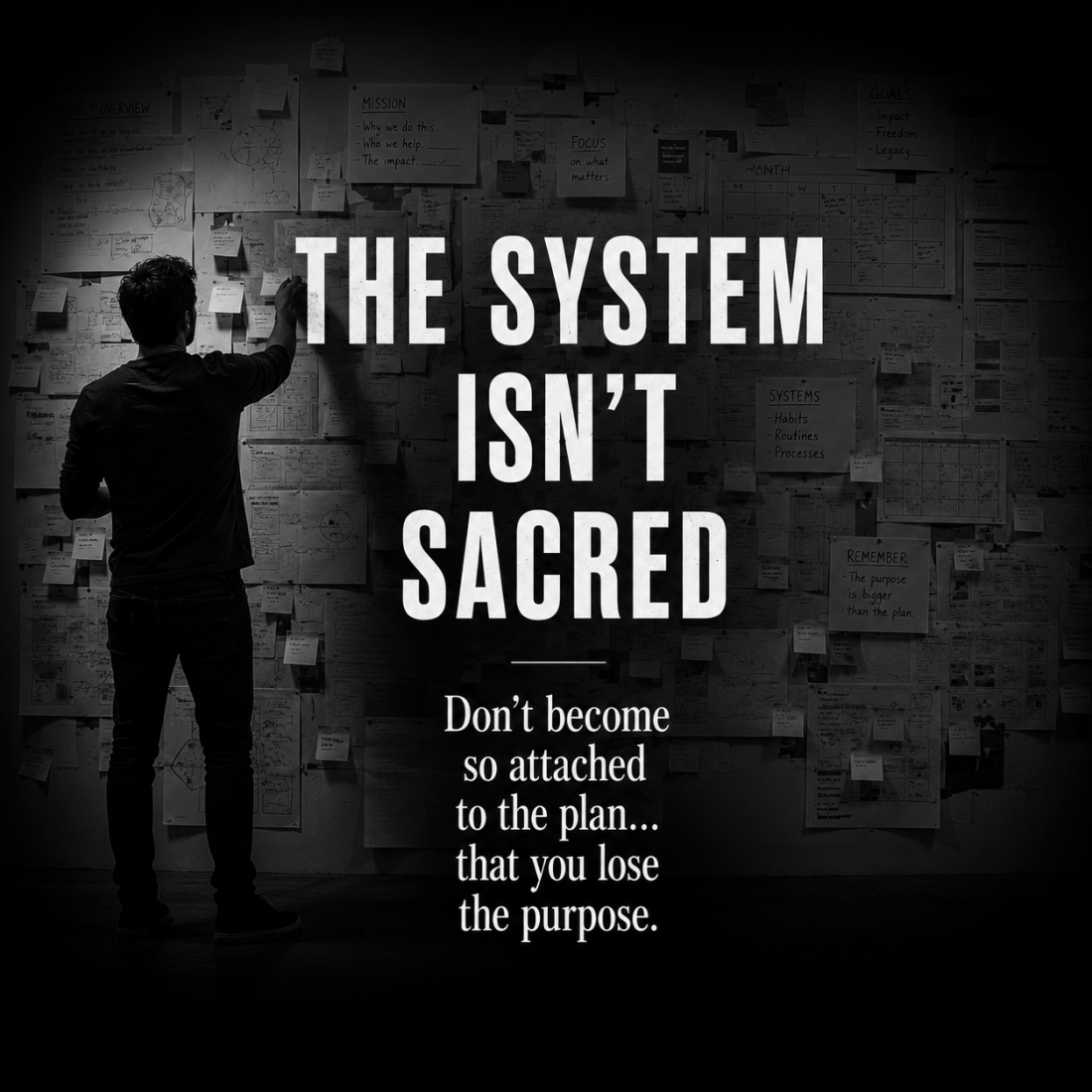
The system was never the project.
The scoreboards weren’t the project.
The trackers weren’t the project.
The spreadsheets weren’t the project.
Those things were simply tools meant to help me become the person I wanted to become.
And when the tools stopped serving that purpose…
They needed to change.
Six weeks ago I started this project with what I believed was the perfect blueprint.
Less than two months later, much of that blueprint no longer exists.
The dream does.
I chose the project over the systems.
I chose writing over documenting.
I chose to make room for my health instead of protecting routines that were no longer helping me.
For ten years I thought protecting the blueprint meant protecting the dream.
I finally realized they aren’t the same thing.
The blueprint can change.
The dream doesn’t have to.
Continue the Journey:
If you enjoyed this article, you may also like:
A Life, Not a Collection of Parts
It’s easy to divide life into separate categories—work, family, health, hobbies—but the most fulfilling life isn’t built by keeping those pieces apart. It’s built by learning how they fit together.
I Finally Stopped Waiting to Feel Motivated
Waiting for motivation kept me standing still for years. Progress finally began when I stopped chasing the perfect feeling and simply started doing the work.
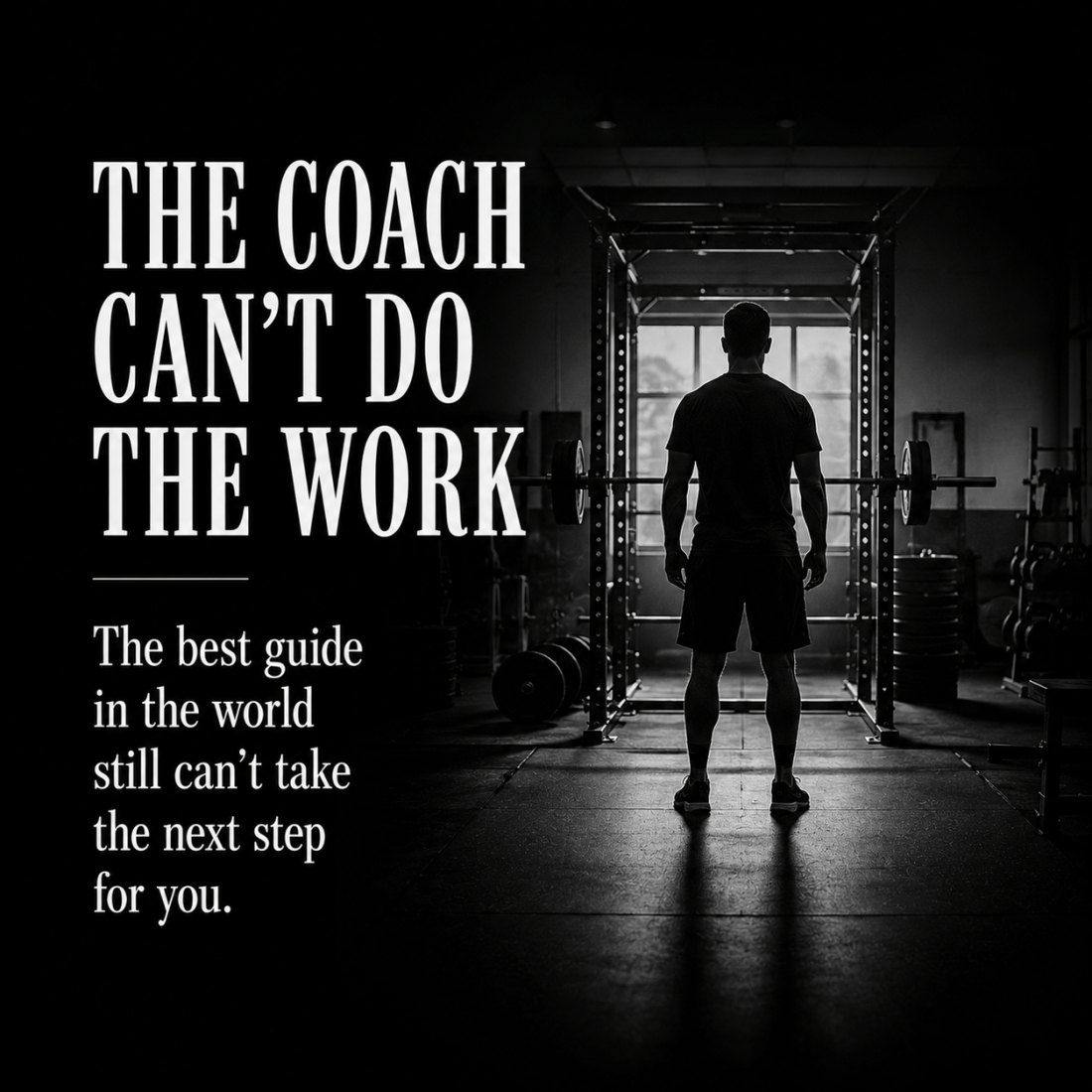
The right tools, the right systems, and the right coach can all help you move forward. But in the end, no one else can do the work that only you can do.